

Bruynzeel Kitchens
Advertising in ChatGPT

Three situations we encounter every week.
Buying more visitors is almost always cheaper than acquiring more visitors. Yet the budget goes toward ads because you see immediate results there.
Adjustments are made based on what looks best internally. Without testing, you don’t know if it helped, and the chance that a change will make things worse is greater than people think.
If your measurements are inaccurate, any conclusion is unreliable. That’s why we start with the data and not with the first test.
Generating more revenue from the same visitors is the most cost-effective way to grow. But that doesn’t come from isolated changes: moving a button rarely makes a difference, and even if it does, without a test, you won’t know whether it improved or worsened the results.
That’s why we work in a cycle. First, we ensure proper measurement; then we conduct an audit to uncover bottlenecks; then we formulate hypotheses based on behavior, not personal preference. We prioritize these using the ICE model and test them one by one, so you know exactly where each result comes from. What works stays; what doesn’t work goes—and both provide insights into your visitors.
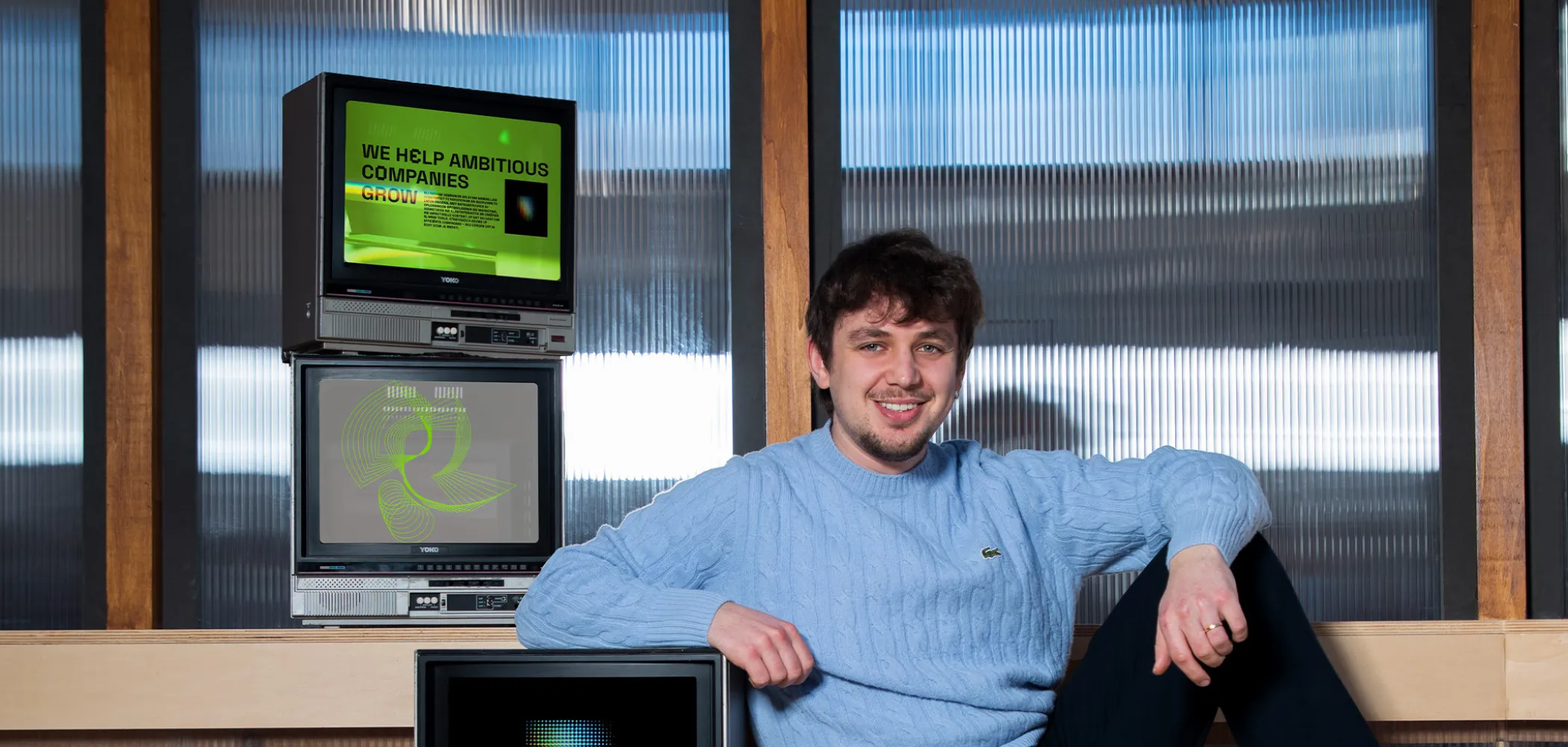
You’ll be working with Yakov, who’s in charge of CRO at Redkiwi. He compiles the ongoing tests, the results, and the impact on your conversion rate into a dashboard that you can access yourself. If you’re looking for a CRO specialist who also shows you the tests that didn’t work, that’s exactly why we set things up this way.
Four layers. Measurement: GA4 and Tag Manager set up correctly, plus session recordings and heatmaps, because without reliable data, every conclusion is a guess. Analysis: an audit that identifies where visitors drop off—and why—backed by behavioral data and user research. The hypotheses: grounded in behavioral psychology, prioritized based on impact, certainty, and effort. And the tests: A/B tests that run long enough to be considered valid, with the winning version implemented and the losing version documented.
The difference between an experiment and a program is that the latter continues to deliver results. We maintain an ongoing calendar: every month, new analysis, new hypotheses, and tests that run consecutively, so there’s always something in progress. What you gain from this is not only a higher conversion rate but also a profile of your own visitors, and that remains yours. You receive the test results, including the tests that didn’t yield results, because that’s exactly the information you’ll use to make a better decision next time.
Three services that make testing possible.
CRO never stands alone. The design determines what you can adjust, your data determines whether you can trust the outcome, and your traffic volume determines how quickly a test provides a definitive result. We handle all three within the same team.
From measurement to an ongoing testing schedule in five steps.
We set up GA4, Tag Manager, and, where necessary, a dashboard, along with session recordings and heatmaps. Then we know how visitors actually behave.
An audit that identifies the bottlenecks in your funnel, including their location and the reasons behind them. We’ll discuss these during a kickoff meeting and prioritize them.
New hypotheses every month based on data and behavioral psychology, prioritized using the ICE model based on impact, certainty, and effort.
We set up A/B tests and run them until the results are statistically significant. Every two weeks, you’ll receive an update on the status and what’s coming next.
Winners stay in, losers are removed and documented. Then the cycle starts over, so there’s always something running.
Three online stores where we’ve started optimizing based on user behavior.
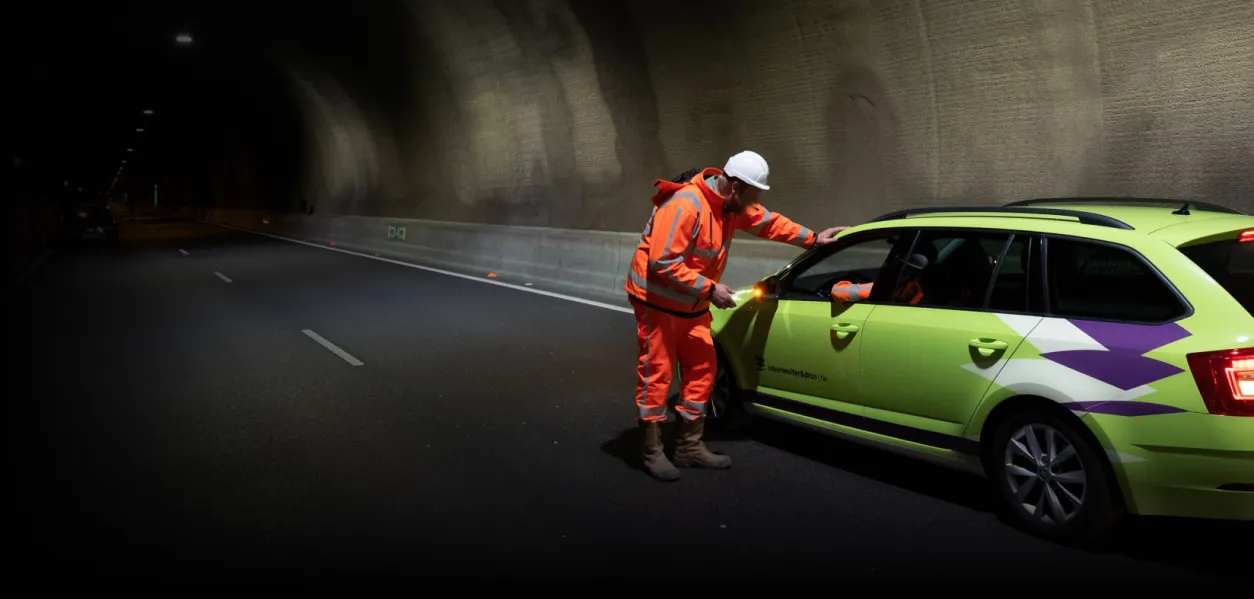
As an online marketer at Croonwolter&dros, I’ve been working with Redkiwi for several years. Our collaboration focuses on strategy, consulting, and the implementation of SEO, SEA, CRO, and now web design as well. What I appreciate about Redkiwi is their direct, honest approach and their ability to truly think along with us. We therefore view Redkiwi as an integral part of our organization. This strong partnership has helped us take significant steps toward digital maturity in recent years.

Testing tools, behavioral analysis, and personalization.
We’ll walk through your funnel: where visitors drop off, whether your metrics are accurate, and which test will reveal that the fastest. It takes just one hour and comes with no obligation.
That depends on your traffic volume, the number of tests per month, and whether tracking needs to be set up. Traffic volume is the key factor here: with few visitors, it takes longer for a test to yield meaningful results, so a lower testing frequency is more realistic.
What you always get: reliable tracking data before we start testing, well-reasoned hypotheses, tests that run long enough, and all results—including those from tests that didn’t yield any significant changes.
Want to know what’s possible in your case? Schedule a consultation, and we’ll take a look at your funnel together.
A CRO analysis involves examining your website or funnel to identify where visitors drop off and where conversion opportunities lie. At Redkiwi, we combine data, user behavior, and psychology to pinpoint specific areas for improvement. This way, you’ll know exactly which changes will yield the best results.
A CRO audit is a comprehensive assessment of your website or online store’s conversion potential. We analyze the data, user experience, and customer journey, and develop a concrete plan to systematically improve your conversion rates. Think of it as a baseline assessment with immediately actionable improvements.
CRO techniques are methods for increasing your conversion rate, such as A/B testing, heat maps, improved calls to action, personalization, and page load speed optimization. We always apply the techniques that are best suited to your target audience and goals. So no gimmicks—just strategic improvements with measurable results.
A CRO expert is someone who specializes in optimizing conversions. At Redkiwi, our CRO specialists are not only technically skilled and data-driven, but also creative. This allows us to implement improvements that not only work but also align with your brand and customer experience.
Absolutely! From our office in Rotterdam, we help companies in the region get more conversions from their visitors. With smart strategies, data-driven testing, and a healthy dose of creativity, we deliver measurable results that keep growing.