

Life Outdoor Living
The perfect synergy between the online environment and physical stores. 40% growth in revenue.
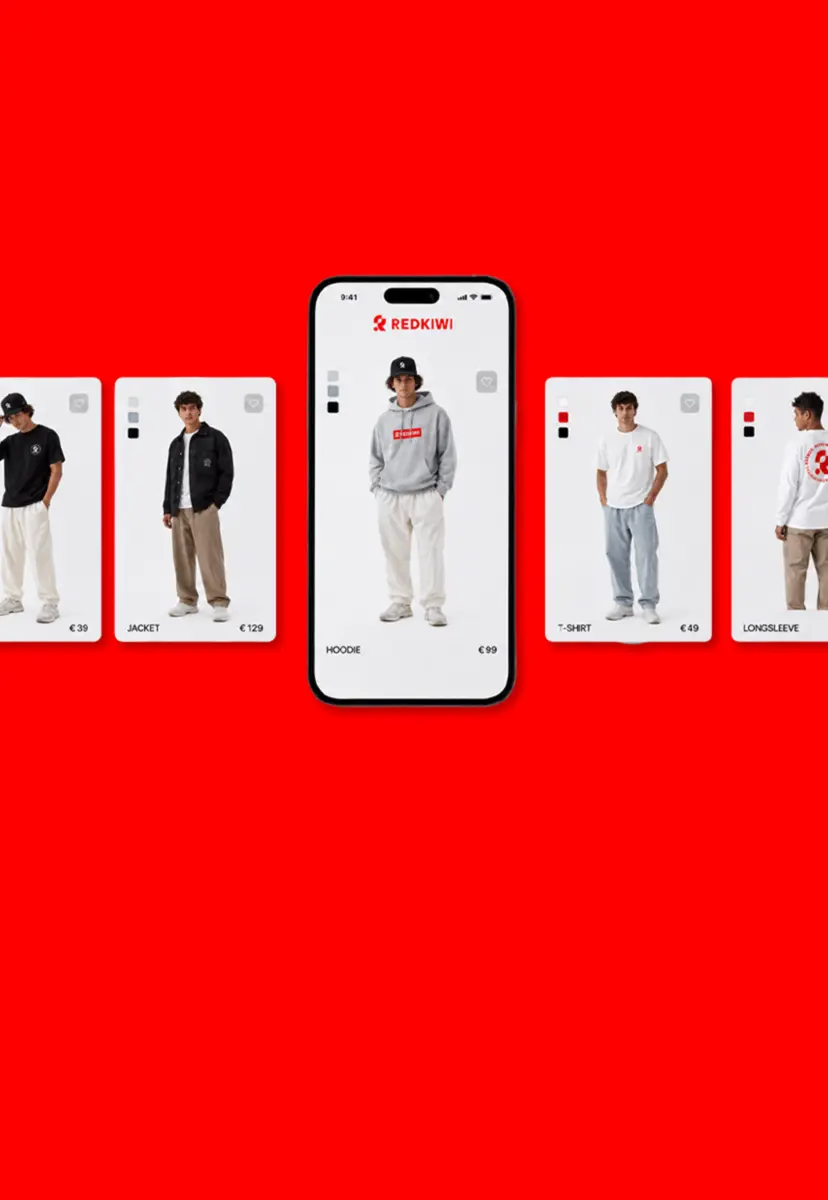
Three situations we encounter every day with online stores.
A returning customer who bought a kitchen last month sees the same homepage as someone visiting for the first time. You’re not using any of the information you already have about them at that moment. That’s where the quickest gains lie.
The recommendations below your product page show items from the same category instead of what actually goes well with it or what similar buyers purchased. That’s the easiest way to increase sales, and it’s currently turned off.
You have order history, click behavior, and email data, but they’re stored in three systems that don’t communicate with each other. As long as that’s the case, personalization will remain just a plan instead of something that’s actually working.
A physical salesperson asks why you’re there and tailors their advice accordingly. Your online store doesn’t do that by default: everyone sees the same thing, whether it’s your first visit or your tenth order. Website personalization eliminates that difference right where the money is made.
The technology does this work as soon as it knows who’s viewing the site. Behavior during the current session, the source from which a visitor comes, and their order history determine which products appear at the top, which banner they see, and what recommendations they receive. Large amounts of profile data aren’t necessary for this; we start with what’s already available.
You’ll be working with Bouke Steenbekkers, Marketing Automation Specialist at Redkiwi, along with Sander and Lukas. Each variant is first rolled out to a portion of your visitors, so you can see the difference before it’s implemented site-wide. We’ve been working with online stores since 2004, and those 22 years of customer insight are the driving force behind the recommendations we make.
Four layers. The sources: in-session behavior, order history, email behavior, and the campaign that brought the user to the site. The segments: which groups you identify and why that distinction matters for your offerings. The locations: homepage, category page, recommendations, search results, and the follow-up email. And the measurement: each variant compared to a control group, so you know what the personalization itself has delivered.
Personalization almost always fails in the same way: too many segments and too little measurement. We start with one group and one location that gets the most traffic, and compare it to a control group. If it doesn’t yield any results, we remove it—and you’ll know why. If it works, we add the next location. In the monthly meeting, we decide together which one that will be, and the numbers are listed in a report you can access yourself.
Three services that make personalization possible.
Relevance requires three things: a single place where customer profiles come together, a way to prove that a variant works better, and channels that use the same profile. We handle all three with the same team.
From baseline measurement to scaling up in five steps.
We look at what data you already have and where it’s stored. Often, there’s more usable data than expected—and sometimes less than hoped for.
We’ll choose one group where the difference is greatest—for example, repeat buyers or visitors from a specific campaign.
The variant goes live on the page with the highest traffic, with a control group alongside it that sees the standard version.
Once you’ve had enough traffic, you’ll know what the personalization itself delivered. If it doesn’t deliver results, it’s taken down.
If it works, we’ll add the next location or segment. We’ll decide together which one during the monthly meeting.
Three brands with a wide product range and repeat customers.
Independent advice, no favoritism.
We’ll review what data you already have, which segment makes the biggest difference, and where you can see results the fastest. It takes just one hour and doesn’t commit you to anything.

Every collaboration is custom-tailored. What it will look like for you depends on your platform, the data you already have, and how many areas you want to personalize.
What you’ll always get: a baseline analysis of your data before implementing any tools, starting with one segment and one area, a control group so you can see the results, and an honest conversation if you’re not quite ready yet.
Want to know where your first gains lie? Schedule a call, and we’ll walk through it together.