
Restaurant NADO
Good food. Good mood.
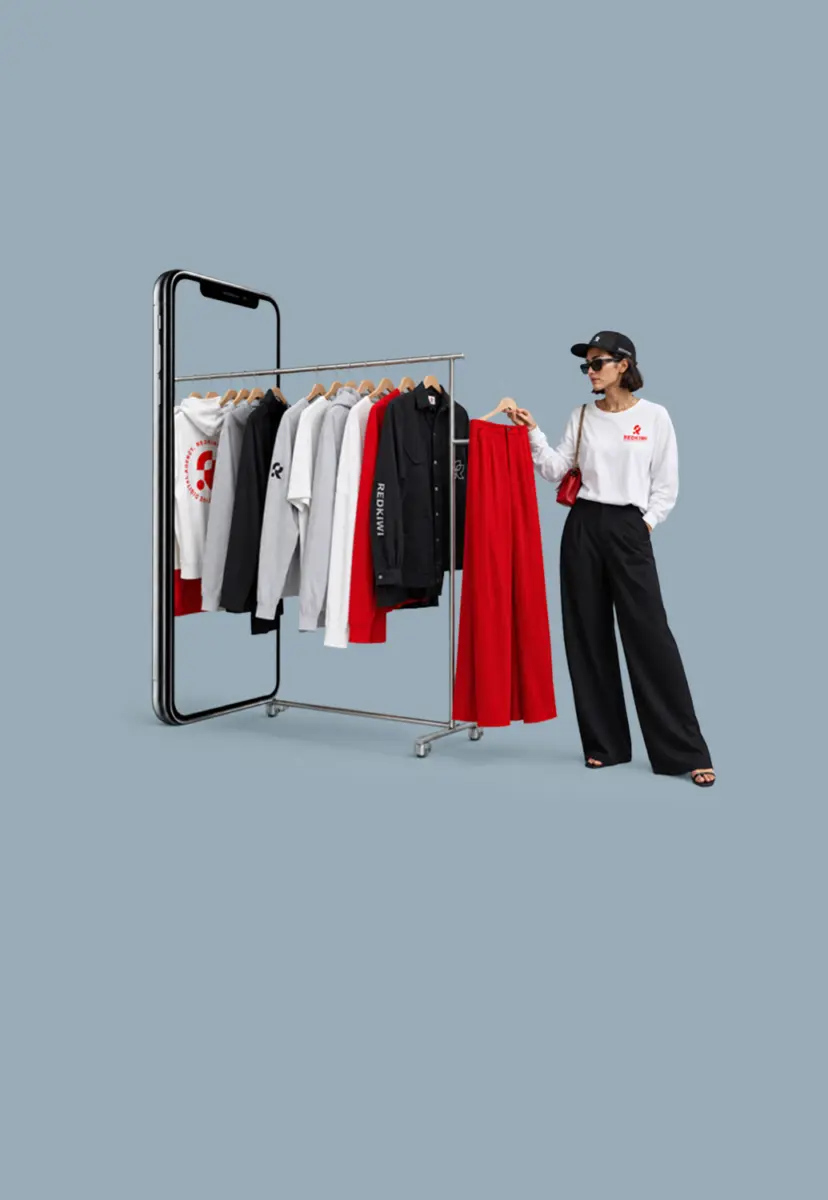
Three situations we encounter every day with brands.
Your posts get views and comments, but the orders aren’t coming in. Usually, the jump from the feed to checkout is too big: three taps, a new window, and searching for the same product all over again. We’re shortening that path.
Without a product feed in your channels, every clickable post is manual work—and no one can keep up with manual work for half a year. With a linked feed, price, inventory, and new items update automatically.
Social media is often at the start of the purchasing journey, so it almost never gets credit for the final click. As a result, the channel seems expensive even though it’s driving results. We measure that contribution separately.
Your target audience spends an hour every day on the same four apps. Social commerce means your offerings are right where that attention already is, with a checkout path short enough to complete.
Technology handles the behind-the-scenes work. Your product feed is sent to the channels, so price, inventory, and new items are updated automatically—no more manual tagging. What remains is the content and the decision of which product to showcase at any given moment.
You’ll be working with Sander van der Hoff, Digital Consultant at Redkiwi, alongside Mareille on the social media side. We’ll start with one channel and one product group, measure the results, and expand as soon as it pays off. If you’re looking purely for campaign budget and reach, social media advertising is a better fit for you; we’d rather make that clear up front.
Four layers. The product feed: your product range linked to the channels, with prices and inventory updated in real time. The content: video and images where the product takes center stage and the purchase is just one tap away. The ad structure: budgets per target audience and per product group instead of a single campaign for everything. And measurement: knowing which purchases were driven by social media, even if they’re eventually completed elsewhere.
Most brands treat social media as a storefront and their online store as the checkout. That works until the cost per visitor rises. We shorten the path: clickable content on the channels themselves, linked to your inventory, with follow-up via email as soon as someone makes a purchase. We document the results of social media in a dashboard you can access yourself, and during the monthly meeting, we decide together which channel or product group to add next.
Three services that make the first purchase pay off.
An initial purchase via social media costs money. The profit lies in what happens next: seeing that same customer return on another channel, showing them relevant offers, and following up on the second purchase via email. We handle all three with the same team.
From a single channel to a fully operational sales channel in five steps.
We identify which content is currently reaching an audience, which product groups generate profit margins, and where your target audience actually is. This determines which channel to start with.
Your product range will be linked to the channels, with prices and inventory levels updated in real time. From then on, posts will be clickable without any manual intervention.
Video and images that feature the product as the main focus, created to be reused rather than just a one-time highlight.
Budget allocated per target audience and per product group, with a measurement framework that clearly shows the contribution of social media separately.
If the channel is performing well, we’ll add the next step. During the monthly meeting, we’ll decide together what that will be and why.
Three organizations for which we run social media and campaigns at scale.
Independent advice, no bias.
We’ll go over which channel suits your target audience, whether your feed is ready, and which product group should be prioritized. It takes just one hour and doesn’t commit you to anything.
Every partnership is tailored to your needs. The cost in your case depends on the number of channels, whether your product feed is already ready, and how much content is needed each month.
What you always get: an honest assessment of whether social commerce is a good fit for your product before any budget is allocated, a dedicated specialist, and a measurement framework that clearly shows the contribution of social media separately.
Want to know if it works for your product line? Schedule a call, and we’ll determine the scope together.