
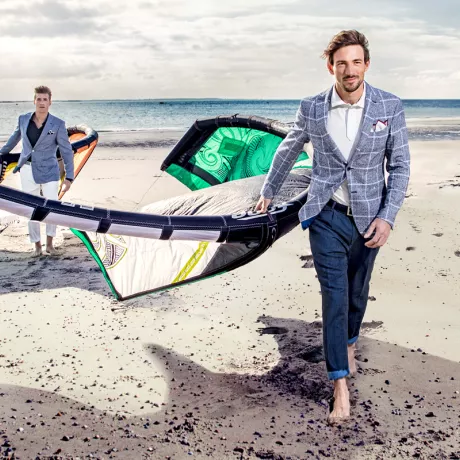
Van Gils
No stitch. No story.
Three situations we encounter every week.
People watch, share, and laugh—and then nothing happens. Usually, the next step is missing: a place to go and a reason to do it right now.
The poster, the social media post, and the email were conceived separately and created by different people. As a result, brand recognition starts from scratch with each channel.
Without a predefined measurement plan, evaluation remains a matter of guesswork. That’s why we agree before the launch on the criteria by which we’ll determine whether the campaign was successful.
A campaign isn’t just a one-off gimmick alongside your brand. It’s the period during which your brand speaks louder than usual, and that only works if the idea is big enough to remain consistent across all channels and concrete enough to lead somewhere.
We build a single idea and translate it into all the formats it requires: online, in the app, and—where appropriate—physically through outdoor advertising, POS, or print materials. Technology handles the tasks that would normally slow down production. Using AI video, we create multiple versions of a single script for each target audience, and we send an in-app activation via push notification instead of a newsletter that nobody opens.
You’ll work with Steven, Head of Seduction. Before the launch, he defines the metrics by which we’ll evaluate the results and sets them up in a dashboard for each channel that you can access yourself. That way, an advertising campaign ends with a conclusion—not just a feeling.
Four things. The concept: a single idea with a message that resonates with your target audience, not just a slogan that went over well internally. The choice of channels: where your target audience is and what each channel should do, from reach to the final call to action. The resources: video, images, and text for each channel, and where appropriate, outdoor advertising, POS materials, or print media. And the measurement plan: which metrics we establish before the launch, so that the evaluation doesn’t become a point of contention.
An idea that sticks in a presentation isn’t a campaign. That’s why we deliver the full package: the assets for each channel, the planning, the placement, and the follow-up when someone responds. For us, activation marketing means there’s something to do and that what happens becomes visible: an inquiry, a visit, or participation. During the campaign, we adjust based on what’s working, and afterward, you’ll learn what to avoid doing next time. You decide which channel gets the budget; we lay out the options along with the rationale.
Three services that underpin a campaign.
A campaign never stands alone. Your positioning determines what you can claim, the content fills the channels, and the advertising budget drives reach to the messages that perform best. We handle all three within the same team.
From concept to evaluation in five steps.
We define the target audience, message, and objective, and establish the criteria we’ll use to assess whether it was successful. From this, we develop a single idea that works across all channels.
Video, visuals, and text are created for each channel based on the same idea, by a single team and in a consistent tone.
We handle printed materials, outdoor advertising, and POS materials from production through placement, including quality control.
Everything goes live according to schedule, with an engaging activation campaign and follow-up for those who respond.
During the campaign, we’ll adjust based on what’s working. Afterward, you’ll compare the results with the metrics we set beforehand.
Three brands that rolled out a single idea across all their channels.
Four platforms for production, video, and activation.
In one hour, we’ll go over your target audience, your message, and your channels. You’ll hear what idea we see and how we’d evaluate it. It takes just one hour and doesn’t commit you to anything.
That depends on the number of channels, whether production and placement are included, and how long the campaign runs. A single-channel campaign is a different process than a concept that needs to work across everything from billboards to apps.
What you always get: one idea that remains consistent across all channels, the resources for each channel, a measurement plan established before launch, and an evaluation based on those metrics.
Want to know what’s needed in your specific case? Schedule a call, and we’ll define the scope together.

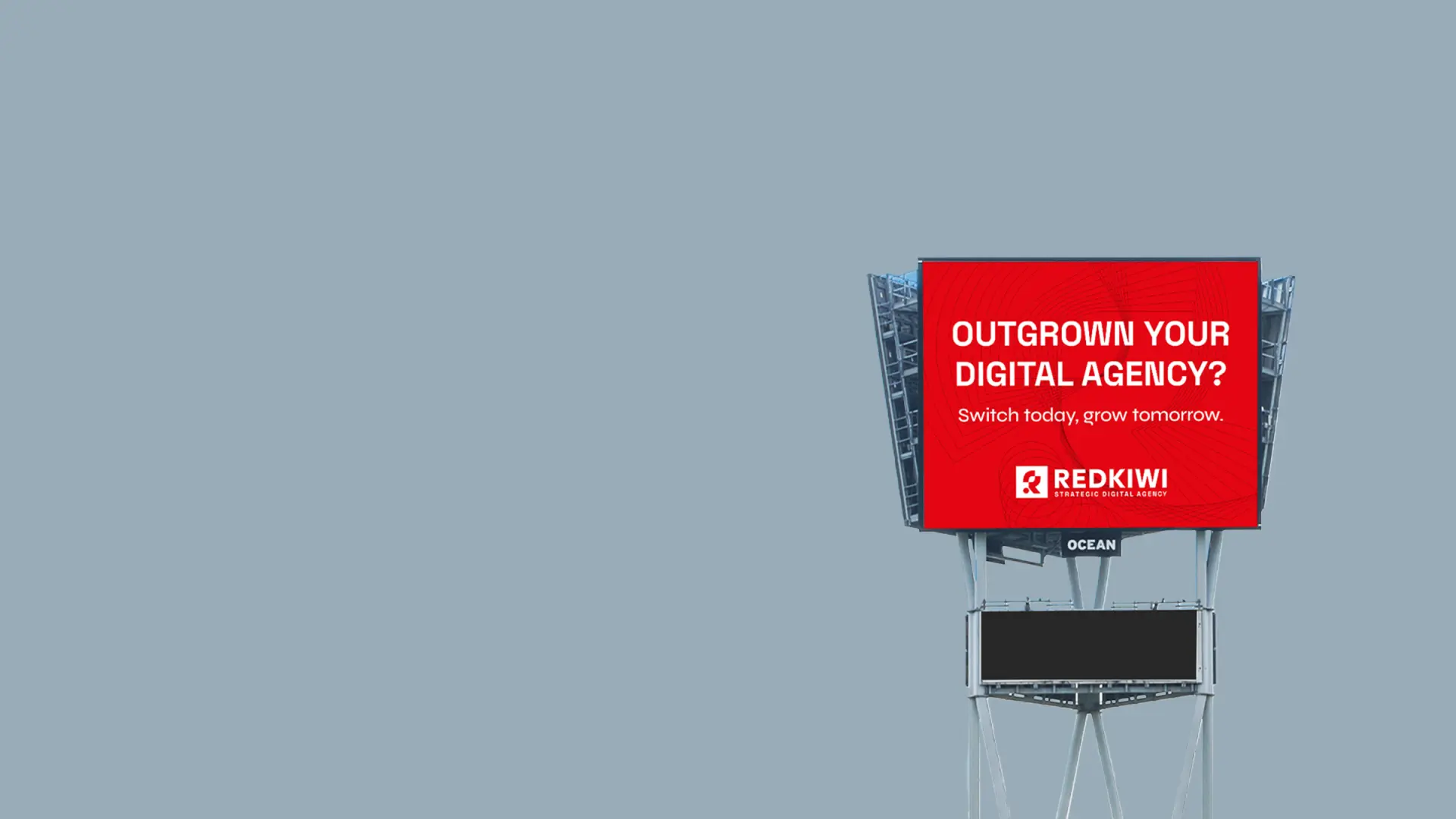
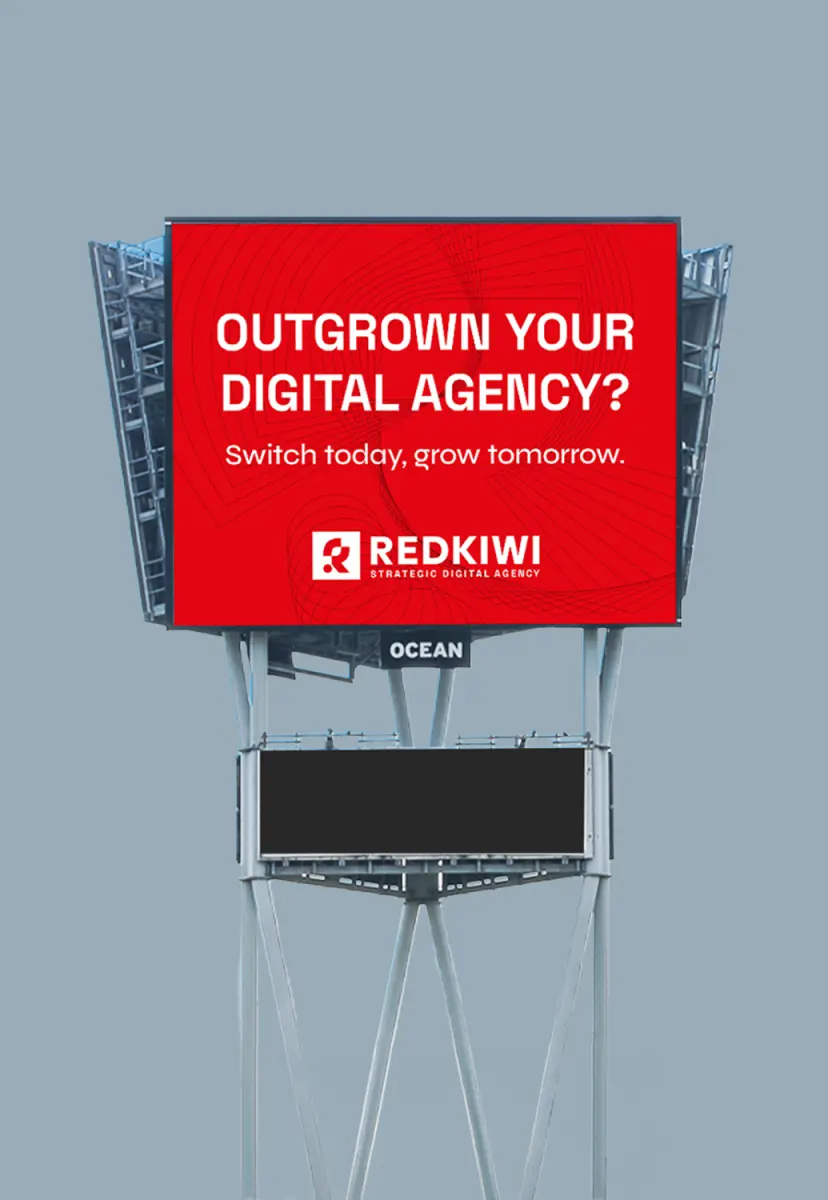
Offline marketing refers to marketing techniques that take place outside the digital world, such as billboard ads, flyers, posters, direct mail, and events. The goal is to create physical, tangible touchpoints with your target audience and increase brand awareness.
Offline communication helps make your brand physically visible to your target audience. It creates a lasting impression, strengthens brand recognition, and builds trust with your customers. By combining offline marketing with digital strategies, you can create an omnichannel experience that enhances the effectiveness of both.
Effective integration of offline and digital marketing means aligning both strategies. Consider, for example, using QR codes on posters or flyers that direct customers to your online platform, or promoting offline events through social media channels.
Redkiwi can create everything from outdoor advertising and billboards to packaging, point-of-sale materials, and even office supplies such as stationery and business cards. We design offline communications that align with your brand identity and strategic objectives.
The costs of offline marketing vary depending on the type of campaign, the scale of production, and the location. We provide customized proposals after a thorough analysis of your brand, target audience, and desired results.
The success of offline marketing can be measured through customer engagement, brand awareness, and conversion. We’ll help you set measurable goals and create reports to see how well your offline campaigns are performing.