
Bruynzeel Kitchens
Advertising in ChatGPT

Three situations we encounter daily with sellers.
Virtually all clicks go to the top row of search results. If you’re below that, your product might as well not exist for that search query—no matter how good your offer is. We’ll start with the product categories that generate the most revenue.
Every marketplace has its own requirements for titles, categories, images, and product codes. If your data doesn’t meet those requirements, you’ll be ranked lower or rejected entirely. This can be fixed in the feed, not in your online store.
A single bid across your entire product range means your bestsellers get too little and your slow-moving items get too much. We set a bid per product group for what a click should cost, and we calculate that based on your margin.
People looking for a product are increasingly starting their search not on Google but directly on bol.com or Amazon. This isn’t just an additional channel alongside your online store—it’s a search engine with a built-in checkout. Whoever ranks at the top there makes sales.
The engine behind it is your product feed. Titles, specifications, images, and inventory are automatically sent to each platform in the format that platform requires, so no one has to manually maintain two product catalogs anymore. For the campaigns, we bid by product group, and we calculate that bid based on the margin the product generates for you rather than on revenue.
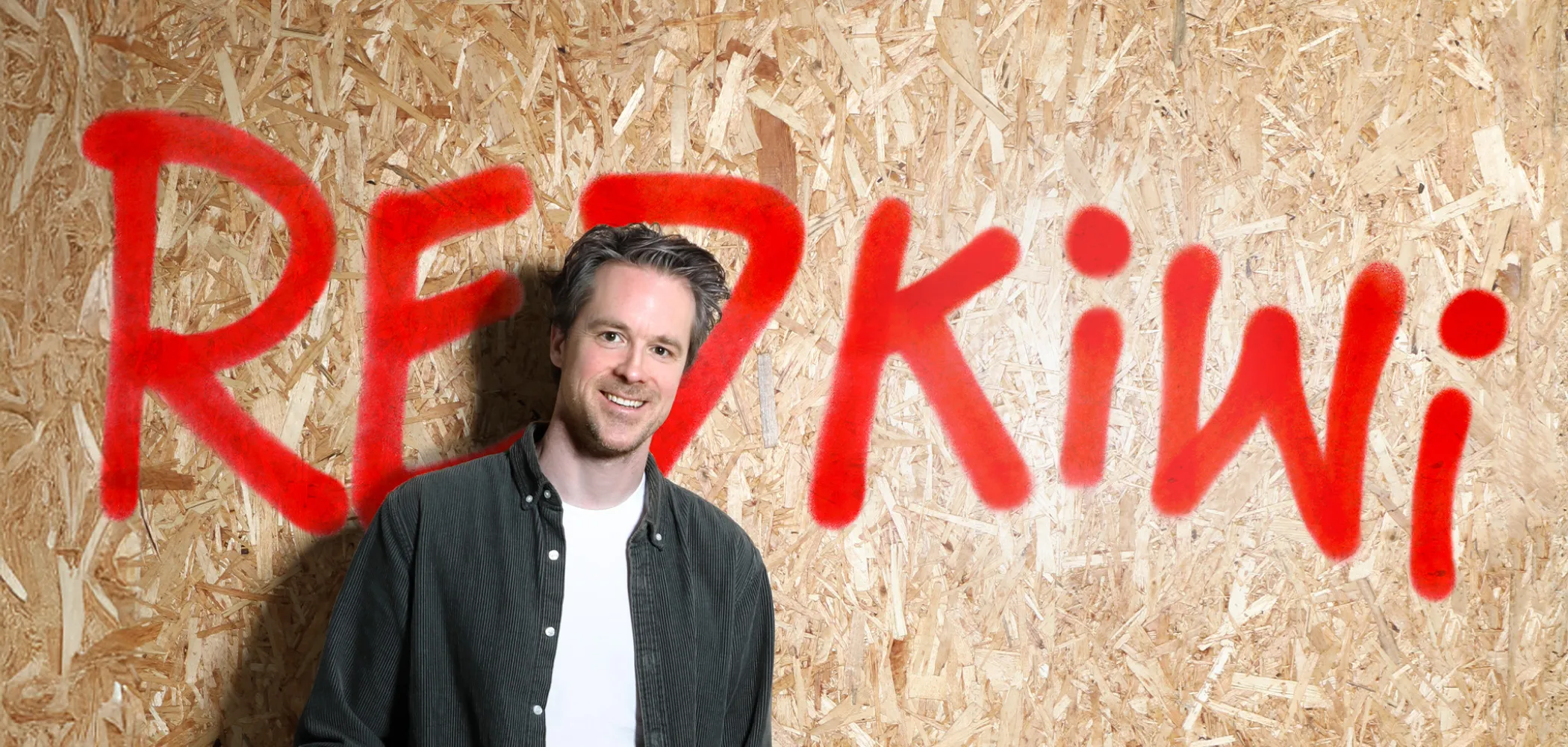
You’ll work with Sander van der Hoff, Digital Consultant at Redkiwi, alongside Lisa from the advertising team. Every week, we fine-tune the numbers, and you’ll see at a glance which product groups are profitable and which are costing money. We’ve been working with retailers and brands since 2004, and those 22 years of client knowledge are the driving force behind the recommendations we make.
Four layers. Product content: titles, specifications, and images that align with the platform’s requirements and what buyers are looking for. Feed management: a single source that feeds each channel in its own format, including inventory and price. Campaign structure: sponsored products organized by product group instead of a single mix of everything. And margin analysis: knowing the maximum cost per click for each product before you bid on it.
Most marketplace accounts operate based on revenue targets, and that works fine until you crunch the numbers to see what’s left at the bottom line. That’s why we first compare your margin per product group with your ad costs. Then, we shift the budget to where it yields the best return and reduce spending on products that only drive volume. During the monthly meeting, we discuss together what results this has yielded and what to focus on next, and in the meantime, we make weekly adjustments based on the numbers.
Three services that make marketplaces profitable.
A marketplace provides reach, while your own online store provides profit margin and customer data. The interplay between the two determines whether you’re growing or merely shifting revenue. That’s why we examine your product data, your other sales channels, and what opportunities exist on your own store.
From product content to weekly adjustments in five steps.
We evaluate your product content and your margin per product group. This helps us determine where advertising can be profitable for you and where it isn’t.
A single source feeds all channels, each in the format required by the platform. Inventory and pricing are updated automatically.
Organize campaigns by product group instead of using a single catch-all, so that your bestsellers and your long-tail products each get their own bid.
Together, we determine what a click should cost per product group and bid accordingly. That way, you know exactly why a bid is set at a specific amount.
We review the numbers every week and reallocate the budget to what’s driving results. The report explains why, not just what.
Three brands with a broad product range and multiple sales channels.
Independent advice, no bias.
We’ll go over your product groups: where your margin gives you room to offer better deals, where your content is getting in the way, and where you’re currently leaving money on the table. It takes just one hour and doesn’t commit you to anything.
In addition to your advertising budget, you pay for the related work: feed management, campaign structure, and weekly adjustments. The cost depends on the size of your product range and the number of channels.
What you always get: a margin analysis per product group before any budget is allocated, a dedicated specialist, weekly adjustments with an explanation, and an honest discussion if a product group isn’t suitable for advertising.
Want to know where your opportunities lie? Schedule a consultation, and we’ll work through the numbers together.