


Boland
Millions in revenue for the largest B2B supplier of party clothing

Three situations we encounter every day in the business market.
Orders come in via email, phone, and an Excel spreadsheet, and then someone manually enters them into the ERP system. That takes hours each week and leads to errors that affect your customers. We’ll start with the most common order flow, because that’s where most of the time is spent.
Technical products, variants, and packaging units require accurate filters and specifications. If these are missing, the buyer will still call, and your online store’s profits will suffer. That’s why product data is the first thing we look at.
Tiered pricing, contract prices, and discount groups are in your accounting system, not in your online store. As long as those two remain separate, your customer will see a price online that isn’t their actual price. It starts with an honest assessment of your data and your systems.
Business customers now shop the same way they shop as individuals: on their own, outside of business hours, and without calling first. A B2B online store is therefore not just an additional sales channel alongside your inside sales team, but the place where you process existing revenue with less manual effort.
The integration with your accounting system does the heavy lifting. Prices, volume discounts, inventory, and delivery times come directly from the source, so no one has to retype an order, and no one has to call to check on an order’s status. Repeat orders are processed directly from the order history—and that’s exactly the work that currently takes up the most time.
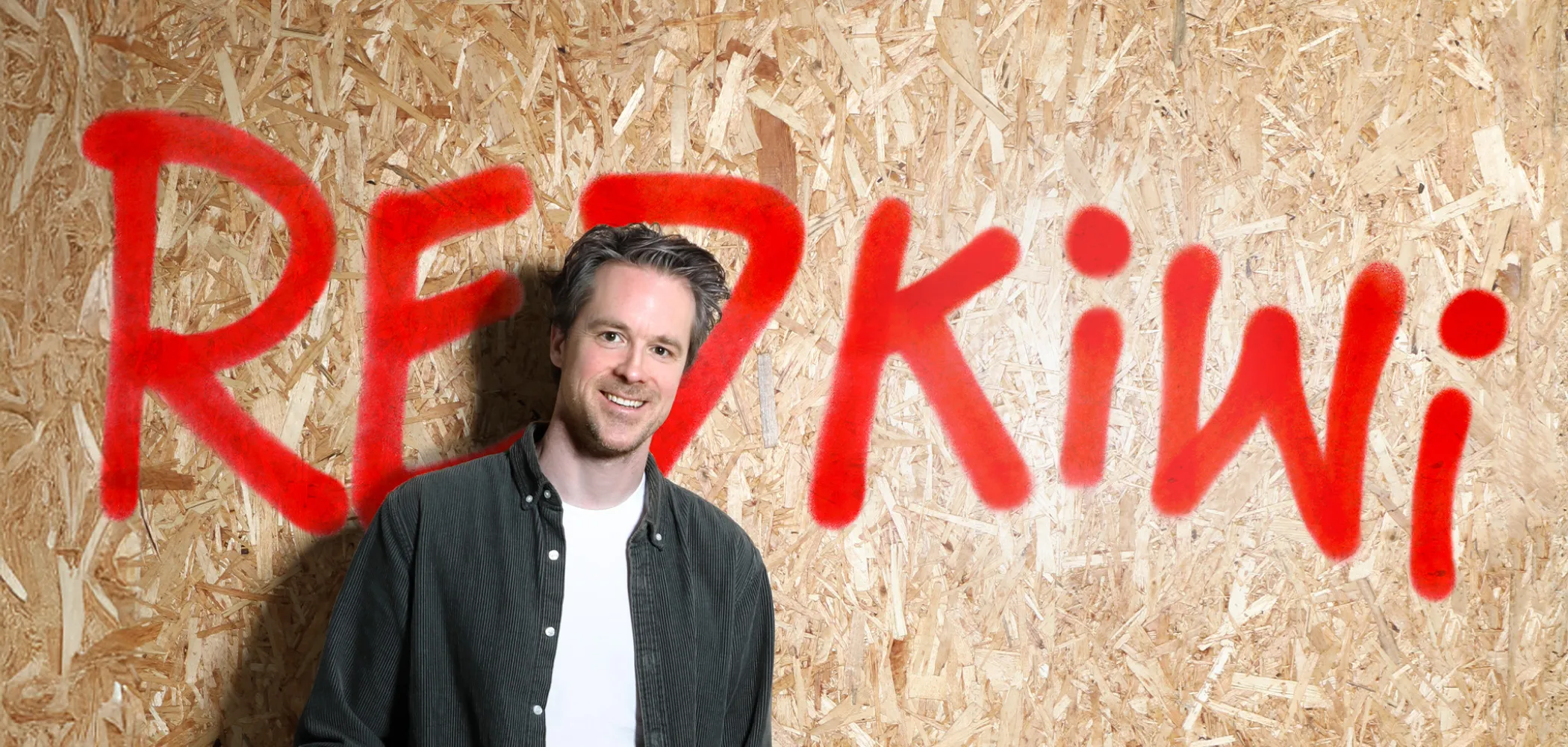
You’re working with Sander van der Hoff, Digital Consultant at Redkiwi. During the monthly meeting, we review together the percentage of orders placed through the online store, the average order size, and which customers are still calling. We’ve been building online stores for the business market since 2004, and those 22 years of customer insight fuel every decision we propose.
Four layers. The account structure: buyers, budget managers, and multiple locations under a single customer, each with their own permissions. Pricing and terms: customer-specific price lists, volume-based pricing tiers, and ordering on account. Product data: specifications, units, and variants that enable a buyer to make the right choice. And integration: price, inventory, orders, and status that sync back and forth with your ERP.
We’ll go live in phases. First, the core features: logging in, seeing the correct price, placing orders, and the integration with your accounting system. Next comes the self-service features that take the pressure off your back-office staff: viewing invoices, reordering from past orders, reporting returns, and requesting quotes. At the start, we’ll define what we’re measuring so that the percentage of self-service usage each month is a concrete number, not just a gut feeling. We’ll work together to adjust this during the monthly meeting, so you’ll always know why a particular item is next on the schedule.
Three services that make all the difference.
A B2B online store never operates in isolation. Your product data determines whether a buyer feels confident making their own choices, your integrations ensure that prices and inventory are accurate, and your payment options allow buyers to pay the way they’re used to. We handle all three with the same team of specialists.
From baseline measurement to monthly adjustments in five steps.
We assess how orders are currently coming in, what pricing agreements are in place, and the current state of your product data. This provides an accurate baseline.
We prioritize opportunities based on return on investment and work with you to determine what should be included in phase one. This way, you’ll understand why certain features are being developed first.
Log in, set the correct price per customer, place orders, and integrate with your accounting system. From that moment on, the first sales will come through the online store.
Invoices, returns, repeat orders, and quotes are added, in the order that they take the most work off your back-office team’s hands.
Every month, make improvements based on the numbers, with the reasoning included. The numbers are listed in an overview that you can access yourself.
Three organizations that moved their business sales online.
Independent advice, no bias.
We’ll go over how orders are currently coming in, which pricing agreements are getting in the way, and what needs to be done first. It takes just one hour, and there’s no obligation.
Every partnership is custom-tailored. The cost in your case depends on the size of your product range, the number of pricing agreements, and the systems that need to be integrated.
What you’ll always get: a baseline analysis of your order flow and data before anyone starts building, a dedicated specialist, a phased approach that ensures your first revenue comes in quickly through the store, and an honest discussion if something turns out differently than planned.
Want to know where your first profit lies? Schedule a call, and we’ll define the scope together.