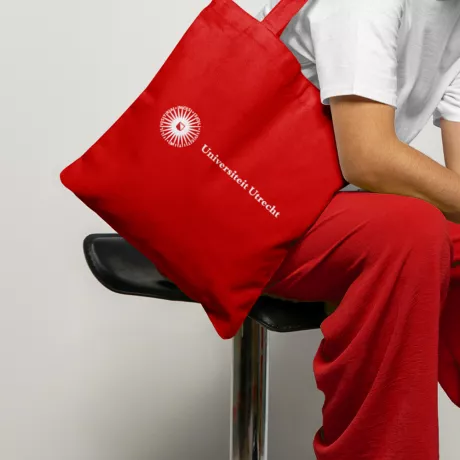
Universiteit Utrecht x Eco Giving
Implementation of an Omnichannel E-commerce Platform with Shopify
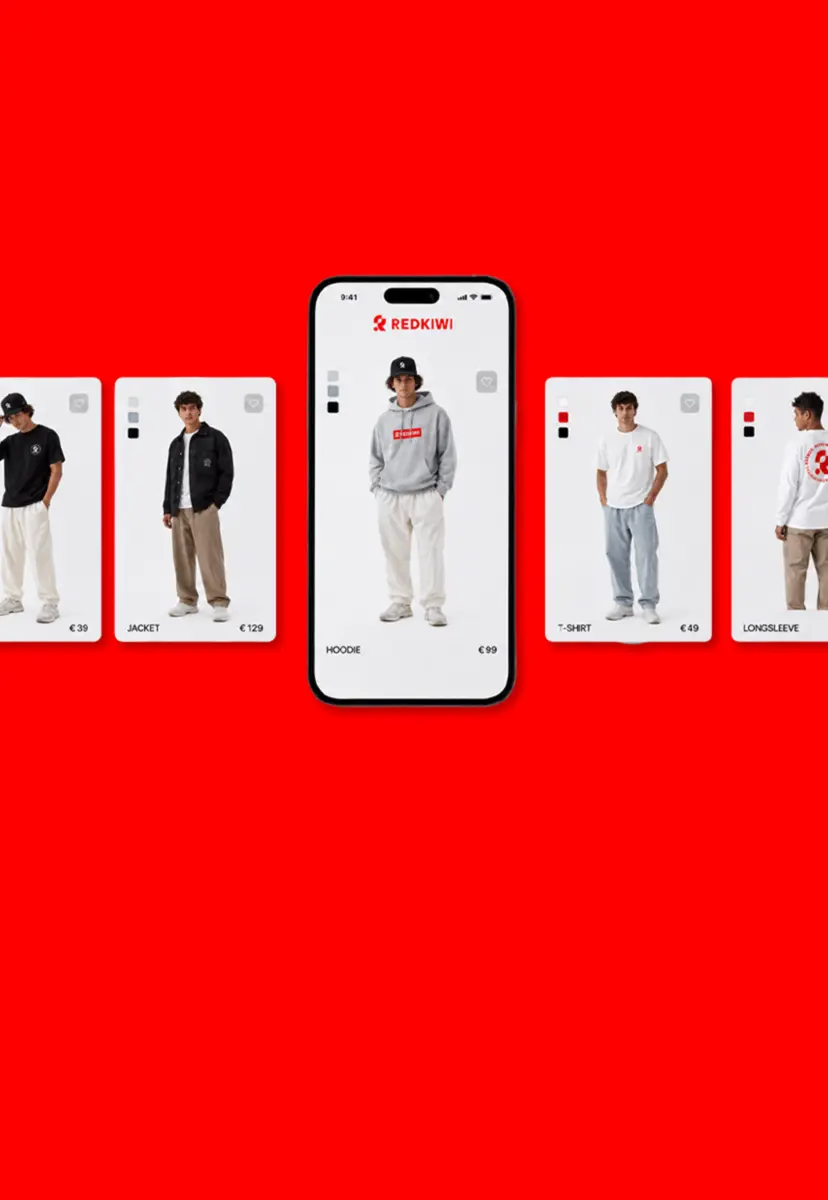
Three situations we encounter every day with brands and online stores.
After placing an order, your brand disappears from your customer’s daily life. Merchandise that people actually use keeps your brand visible outside your online store and turns buyers into brand ambassadors. It all starts with asking which item your customer would choose for themselves.
Visitors who search have the highest intent to buy, but get zero results if they make a typo, use a synonym, or spell a brand name differently. Every blank search page represents a customer you’ve already lost. You can fix that without spending a single extra euro on advertising.
Slow-moving items get buried because no one sees them, while your bestsellers consistently take the same spots. By sorting by margin and inventory, creating bundles, and offering targeted recommendations, you can strategically allocate that attention. Then your margin—not chance—determines what’s featured.
Merchandising consists of two elements that reinforce each other. Brand merchandise integrates your brand into your customer’s daily life: a hoodie, a bottle, or a bag that someone chooses because it represents your brand. Visual merchandising determines what a visitor sees first, both in your store and in your online shop. The former builds the connection; the latter capitalizes on it.
Online, your system handles the shelf layout, and usually does nothing. Sort by margin instead of date, move sold-out items to the back, account for synonyms and typos in your search function, and make recommendations based on behavior rather than category. The technology handles this as soon as you tell it what’s important, so there’s no need for a manual list anymore.
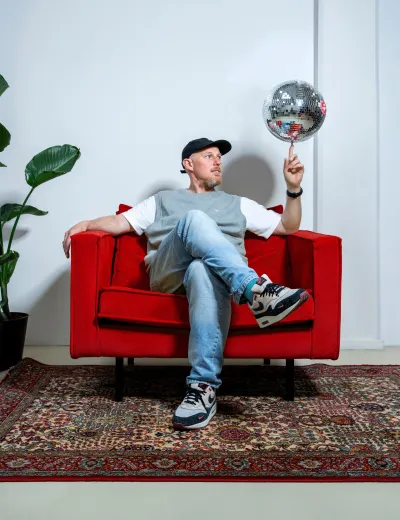
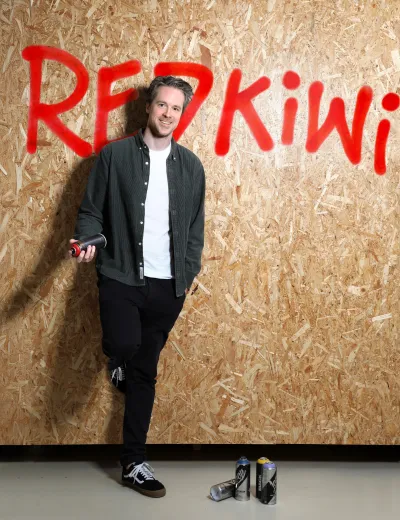
You’ll be working with Steven Olde Hengel, Head of Seduction, along with Soraya and Sander. Every change is first rolled out to a subset of your visitors, and during the monthly meeting, we review the results together. Since 2004, we’ve been working with brands and online stores that offer extensive product ranges, and those 22 years of customer insight are the driving force behind every recommendation we make.
Two tracks. On the brand side, we determine which items fit your brand, what they look like, and where you sell them, from a standalone fan shop to a category in your existing online store. On the store side, we set up what your visitors see: the organization of your category pages, the search function with synonyms and typos, the filters your customers actually use, and the recommendations below your product pages. Production of the physical items is handled by your own supplier or a specialist we bring in; we handle the concept, design, and sales channel ourselves.
Merchandising focuses on website traffic and your existing customers, which makes it the most cost-effective way to generate revenue in your online store. We start with the categories that drive the most traffic and the search queries that currently yield zero results. Every change goes live first with a subset of your visitors, so you can see the difference before it’s rolled out everywhere. If it doesn’t work, we roll it back, and you’ll know why. In the monthly meeting, we decide together what to launch next, so you always know what’s currently active.
Three services that make merchandising work.
Tailoring what you display requires three things: content and visuals that your customers respond to, a way to vary the experience per visitor, and proof that the new layout sells better than the old one. We handle all three with the same team, so you don’t have to coordinate with three different parties.
From baseline measurement to monthly adjustments in five steps.
We examine which categories are driving volume, where visitors find no results, and where your brand currently stands outside your online store.
Together, we’ll determine where the profit lies. For one brand, that might be a merchandise line; for another, it could be the organization of three category pages.
You can only manage by margin or inventory if those fields are filled out. We account for synonyms, typos, and brand names in your search function.
Sorting by margin, inventory, or season per category; recommendations based on past purchasing behavior; and merchandise ready for sale.
Test every change on a subset of your visitors first. If it works, we’ll roll it out. If it doesn’t, we’ll revert it—and you’ll know why.
Three brands where presentation and discoverability make all the difference.
Independent advice, no preferential treatment.
In one hour, we’ll review your product categories, your search queries, and your brand’s visibility outside your online store: where visitors can’t find what they’re looking for, which sorting methods are costing you revenue, and how you can increase revenue from existing customers. You’ll receive the findings in writing, even if you plan to act on them yourself.

Every partnership is tailor-made. What that entails for you depends on the size of your product range, the condition of your product data, and whether you want to establish a merchandise line in addition to your shelf layout.
What you’ll always get: a baseline analysis of your categories and search queries before any changes are implemented, every change tested first on a subset of your visitors, and an honest discussion if your product data needs attention first.
Want to know how much more you can earn from your existing traffic and customers? Schedule a consultation, and we’ll walk through it together.
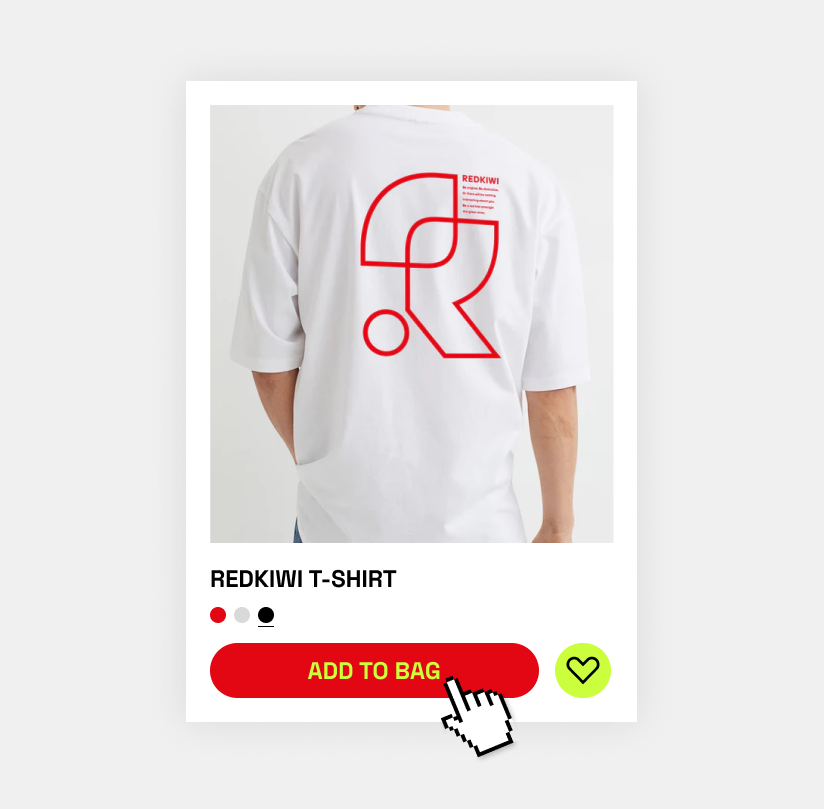
Brand merchandise zijn fysieke items met je merk erop, van een hoodie tot een drinkfles, en die vergroten je bereik en de band met je klant. Visual merchandising gaat over de presentatie van je aanbod: de indeling van een winkel of de sortering, filters en aanbevelingen in je webshop. Het eerste bouwt de band, het tweede verzilvert hem.
We doen het concept, het ontwerp en het verkoopkanaal: welke items bij je merk passen, hoe ze eruitzien en waar je ze verkoopt. De productie loopt via je eigen leverancier of een specialist die we erbij halen. Zo blijft de kwaliteit van het item de verantwoordelijkheid van een partij die dat elke dag doet, en die van je merk bij ons.