



Step-by-step: AI in digital strategy
#Featured Step-by-step: AI in digital strategy

Your audience doesn’t consciously choose brands. They make choices the moment a need arises. Picture this: you’re walking through a supermarket, browsing a webshop, or mindlessly scrolling through Instagram. That’s when a need pops up. Not for your brand, but for a product category. What’s going through their mind? “I want something easy for dinner,” “A gift for a friend,” “A moment of peace for myself.”
Those are the moments when brands are either remembered or forgotten. The brand that springs to mind first wins. Not necessarily the best, most sustainable, or cheapest option — but the one that’s there, at just the right time.
If you really want to build brand preference, you need to understand when your audience thinks about your category — and link your brand to those moments. That’s exactly what Category Entry Points (CEPs) are all about.
In this article, you'll learn:

First things first: situations or contexts in which a need for a product category arises are called Category Entry Points (CEPs). They are the familiar, recognisable moments when your audience starts looking for a solution — and hopefully thinks of your brand. Unlike propositions, brand values, or USPs like “sustainable” or “affordable,” CEPs are motivational moments: “When and why do I think about this category?”
Think of moments like “I need a tasty snack for the road” or “I want to impress on a date.” These are concrete, recognisable human triggers that come before a purchase decision. The goal is for your brand to be recalled the moment the need arises — not just when someone’s standing in front of the shelf or searching online.
A brand essentially works as a network of associations in our brains. The more often, consistently, and recognisably your brand is linked to relevant CEPs, the greater your mental availability — and with it, the likelihood of being chosen.
These sound attractive in a brand strategy, but they’re too abstract. Our brains don’t think in values — they think in moments and situations. That’s why CEPs should be rooted in moments of motivation, not brand values or product features.
Mental availability is one of the strongest predictors of brand growth and market share. As marketing professor Byron Sharp notes in How Brands Grow: “Brands grow not by loyalty, but by being chosen more often in more situations.”
By systematically linking your brand to multiple CEPs, you increase the chances of being remembered at the right time. It shifts your presence from “occasional visibility” to “consistent mental availability.” Not just functionally, but emotionally: “That brand fits me in that moment.” The more often your brand is connected to recognisable, recurring situations, the more likely it is to be chosen.
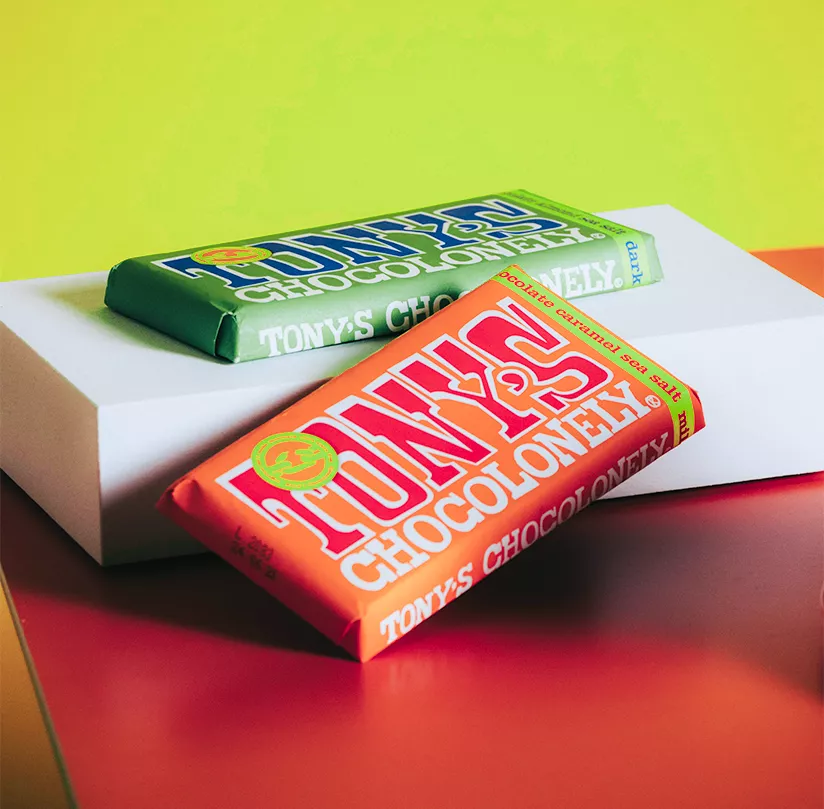
Take Tony’s Chocolonely, for example.
It’s known not just for “slave-free chocolate,” but also for:
By dominating multiple CEPs, Tony’s has built strong mental availability. Meanwhile, competitors are still talking about “great taste” or “affordable pricing.”
If you (consciously or not) fail to link your brand to relevant buying moments, you’ll have to work harder to be noticed. Your marketing becomes reliant on paid reach or discounts — with limited long-term impact. And yet brand preference is precisely what builds over the long term and needs to be nurtured.
Without linking your brand to the right CEPs:
Your brand becomes less future-proof. While strong brands are chosen automatically — even without consumers remembering why — your brand will need more media spend, more messaging, and more effort just to stay visible.
"Sound familiar? Many brands make the same mistakes. Here are the biggest pitfalls when it comes to Category Entry Points:"
Our brains work through association. Through repetition. Emotion. And above all: simplicity. In neuromarketing, we talk about “Cue > Reward” — a contextual trigger leading to a reward like a feeling, sense of relief, or a solution.
CEPs act as those triggers. And the brand connection must be fast and effortless. That only happens when your brand story is clear, believable, and tangible. Storytelling fuels CEPs — giving them emotion, colour, and human relevance.
Example: A healthy snack brand tells the story of a busy workday, a gym session, and that intense hunger on the way home. Instantly recognisable! Now “after a workout” becomes a branded moment — one context, one message, and it sticks.
By investing in CEPs, you don’t just grow brand awareness — you build robust mental availability. A brand present in multiple buying moments is harder to replace, more often chosen, and more frequently recommended.
Without a CEP strategy, your brand relies on disconnected campaigns reacting to trends — gaining short-term attention but no lasting memory. Brands that build a well-thought-out CEP approach, on the other hand, create durable brand equity. They return in the minds of the audience at the right time, again and again. That sense of familiarity is what fuels long-term growth.

At Redkiwi, we believe in brands that work. Not just beautifully designed, but strategically sharp. Brands that stay relevant and recognisable — showing up in the minds of the audience when it truly matters. CEPs are key to that.
Together, we uncover the moments when your audience thinks about your category. We analyse existing brand associations and map short- and long-term opportunities. Then we translate that into distinctive storytelling, visual identity, and memorable campaigns.
We blend strategy, creativity, and activation — not dusty frameworks or slide decks gathering dust. Instead: actionable insights and tools for brands that want to matter in everyday life. Whether you're a challenger or a market leader — we make sure you’re not just seen, but remembered when it counts. We help build brands that people want to remember.
What we offer:
Want to dive into CEP thinking on your own? Here are 5 practical tips to get going:
Step-by-step: AI in digital strategy